( Story )
From the 2017 bull run to StarkWare.
I got into crypto as a student in 2017 and went full-time in 2021, right at the top of the market. In 2022, I started explaining Starknet on Twitter. Two years later, that writing got me a job at StarkWare.
- 2017Getting into crypto
In September 2017, I was studying international business and working part-time. I’d saved a little money and went looking online for ways to make it grow. That’s how I found crypto. I’d always been drawn to free markets, and here was a currency I could send to someone without going through a bank. I was hooked.
Three months later, my portfolio was worth 40 times what I’d put in. These were the first investments I’d ever made. My entire experience of the market was three months of watching it go up. I knew what 40x meant on a calculator, but I had no sense of how unusual that return was, how much risk I was taking, or when to take money off the table. When the market turned, I gave back every bit of those gains.
It felt like everyone was leaving crypto. Between classes, I kept reading. I followed people who’d been around longer than I had and tried to understand why Bitcoin existed, how it worked, and what people could build on Ethereum. I was just as curious about the projects that had filled my feed a few months earlier and then disappeared. What had everyone seen in them? What had we missed?
I started reading about finance and macroeconomics to understand what could move an entire market. I also had a question about myself. Why had it been so hard to take a profit while prices were going up? That first cycle taught me how much my own emotions could get in the way.
Then decentralized finance (DeFi) took off. People were lending and borrowing without a bank. Teams were rebuilding parts of traditional finance I’d always found inefficient, and anyone could try what they built. After years of reading about economics between classes, I could see those ideas playing out in real time. I wanted to work in crypto.
In 2021, I finished my master’s degree, turned down the job offers I had, and went all in on crypto with my time and my money. Turns out I’d picked the top of the market. At least I knew what a bear market felt like by then.
- 2022Starknet, on my own
For the first time, I could spend a whole day on a question I used to squeeze in between classes. What actually happens when someone borrows from a DeFi protocol or makes a swap? When a project calls itself permissionless, who can use it, and who still gets to change the rules?
After a few months, I’d come to think that decentralization was one of the few things that really justified using a blockchain. I wanted to find a network that could emerge from the bear market and attract serious capital over the next five to ten years. Solana and Avalanche felt too centralized for me at the time. I kept coming back to Bitcoin and Ethereum. I understood the appeal of holding and sending Bitcoin. What drew me to Ethereum was the chance to see what came after that first wave of DeFi.
How would Ethereum scale? I started comparing optimistic rollups and zero-knowledge (ZK) rollups, the two main approaches I saw layer 2 teams taking. My long-term bet was on ZK: Ethereum could verify a whole batch of transactions by checking a single proof. Incredible technology.
Many of the ZK teams I followed were working to recreate the Ethereum Virtual Machine (EVM). StarkWare caught my attention because it was building Starknet around Cairo, a language designed for provable computation. I wanted to spend my days figuring out what that made possible.
I started making watchlists. For every Starknet project I found, I’d read the docs and try to work out what it did, who would use it, and whether its claims held up. That included projects I thought were terrible or suspected might be scams. Sometimes I’d spend hours on a project only to cross it off my list. Explaining why I’d crossed it off was often worth a post of its own.
I shared my research on Twitter. I ranked projects, explained what made Starknet different, and highlighted apps worth following. Whenever news broke, I tried to answer the question I had as a reader. What does this actually change for someone who builds on Starknet or uses it?
Plenty of creators were already covering Starknet. I soon became the go-to voice for ecosystem updates. Builders I’d spent months learning from started following me back, and we got to talking about their work.
For about a year, I worked independently. An occasional grant helped, and I chose what to cover. Then avnu, a decentralized exchange aggregator on Starknet, reached out. I joined the team and stayed for almost a year.
While I was at avnu, Kakarot asked me to lead marketing. The team was building a zkEVM in Cairo, and Vitalik Buterin was one of its investors. For six months, I worked on both projects and kept publishing my own research as Lyskey.
Then StarkWare reached out. The team behind the network I’d spent two years explaining wanted me to run its social channels.
- 2024Joining StarkWare
I joined StarkWare in March 2024 to run social and help grow the Starknet ecosystem. Back then, I usually wrote one to three posts a day for Starknet and one for StarkWare, weekends included. I spent a lot of time in the replies, too.
I wrote some of Starknet’s most widely shared posts. One of them got the official Ethereum account to quote-post Starknet for the first time in its history. After that, I led the communication between our two teams until we were doing co-marketing together. Vitalik Buterin quote-posted us too.
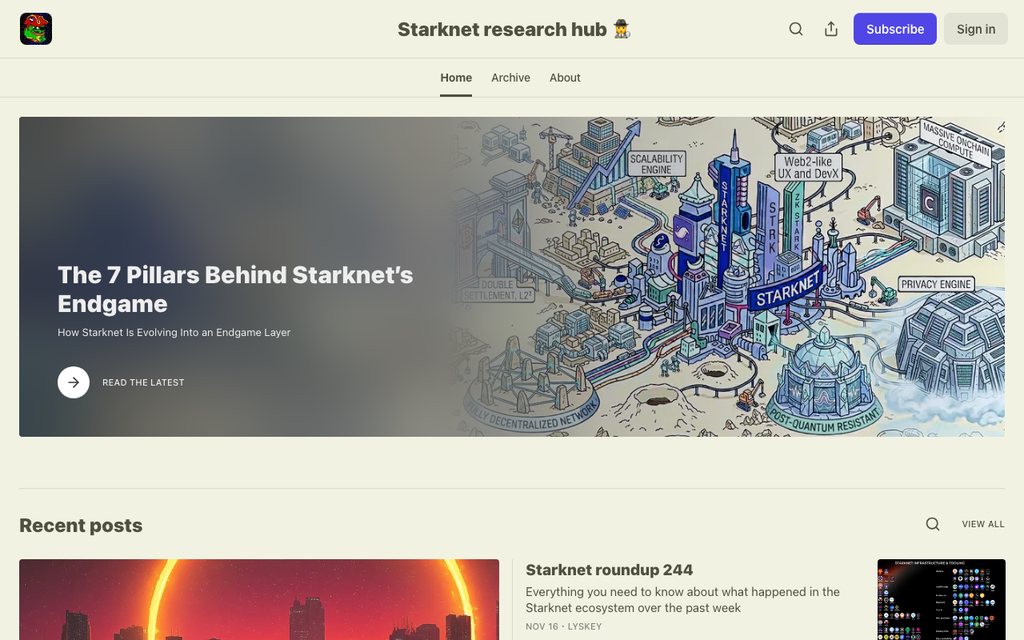
I kept writing long-form pieces. My deep dives on the Starknet ecosystem and the narratives behind it ran from 3,000 to 6,000 words. Some outperformed posts on the official blog. The recaps I’d started on my own also found a home on Starknet’s channels. By November 2026, I’d published 244 weekly roundups, 38 monthly recaps, and three quarterly recaps to help people catch up in a few minutes.
I wrote video scripts for launches including Stage 1, native account abstraction, and StarkGate, and eventually started producing videos myself. I helped community creators with their content and edited colleagues’ blog posts. I also pushed for announcements on Discord and Telegram to have a clear owner, then took that on myself so people could get our updates there too. Behind all of it, I spent a lot of time researching and monitoring the ecosystem.
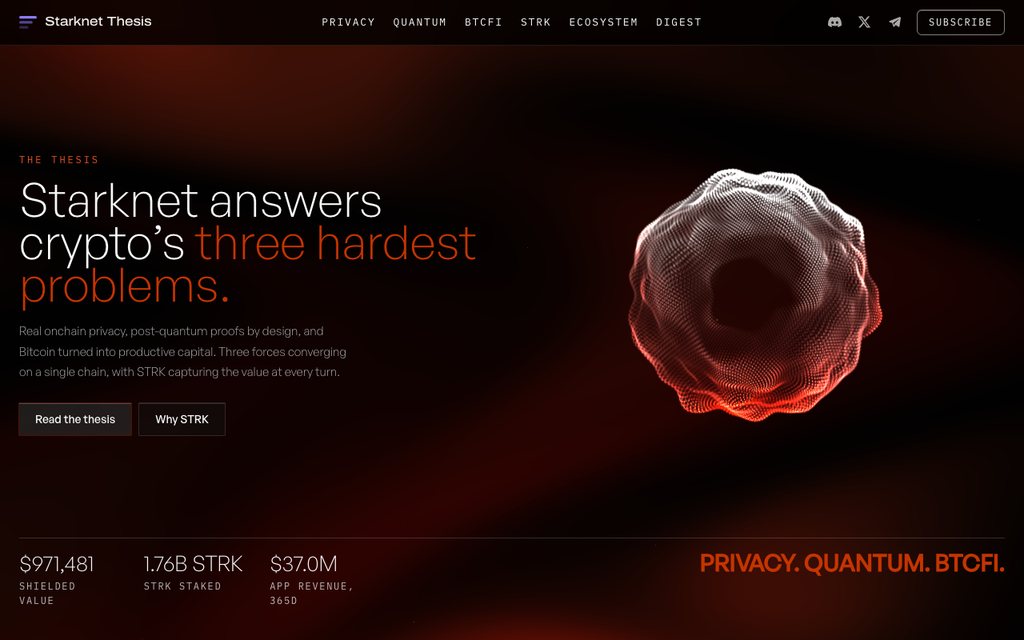
In 2026, I led Starknet’s privacy campaign. As Ekubo, Opus, Endur, Troves, ArcX, SuperVega, Vesu, and Xverse rolled out private features, I coordinated each launch on social. I wrote the threads, the video scripts, and the blog post that brought the launches together.
- NowSocial Lead & Ecosystem Growth
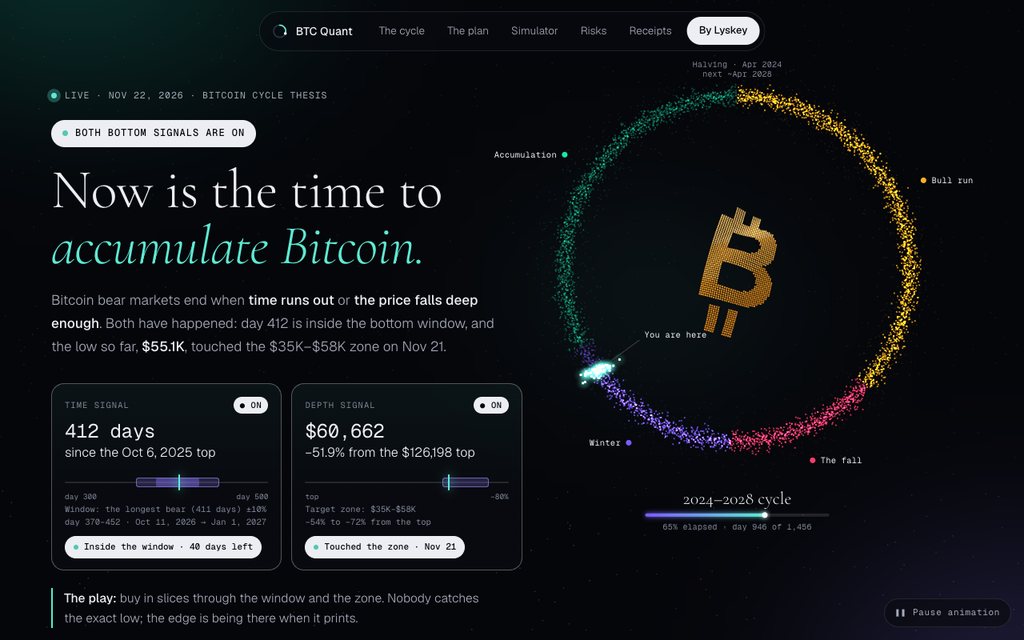
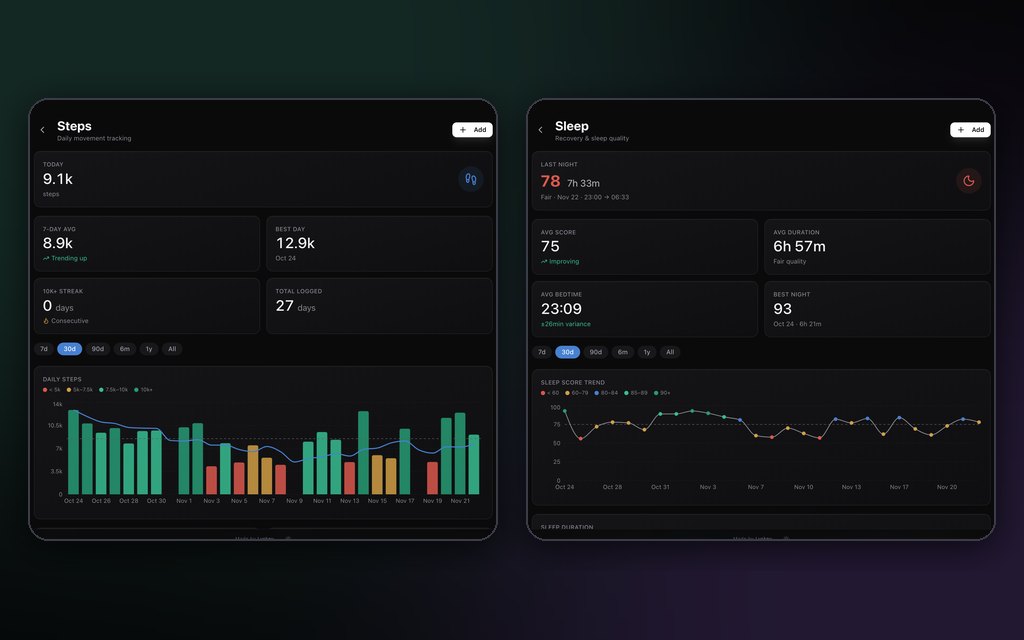
I lead social at StarkWare and help our new products find their first users. I test early builds, give the product teams feedback, and work with creators and partners on launches. Some days I’m writing a thread or making a video. Other days I’m deep in research or building AI workflows that help a small team publish more.
I talk to Starknet builders and users about what they need, follow what other chains are doing, and bring ideas back to the team. Outside work, I try new protocols as soon as they launch, trade onchain, and look for opportunities before they show up on my feed.
More than two years in, I’m still the person who reads everything and explains why it matters.
Social media strategy · Growth marketing · Ecosystem marketing · Content strategy · Research · Analytics · AI automation · Project management